The question running through all of it is whether the strategic architecture of the Pacific depends on institutions or on individuals. The answer should be institutions. The alliances, the command structures, the diplomatic relationships, the trade frameworks, these are supposed to be durable enough to survive changes in leadership, shifts in political attention, and the ordinary friction of democratic governance. The whole point of institutional design is that the system works even when the individuals running it are imperfect, distracted, or replaced.
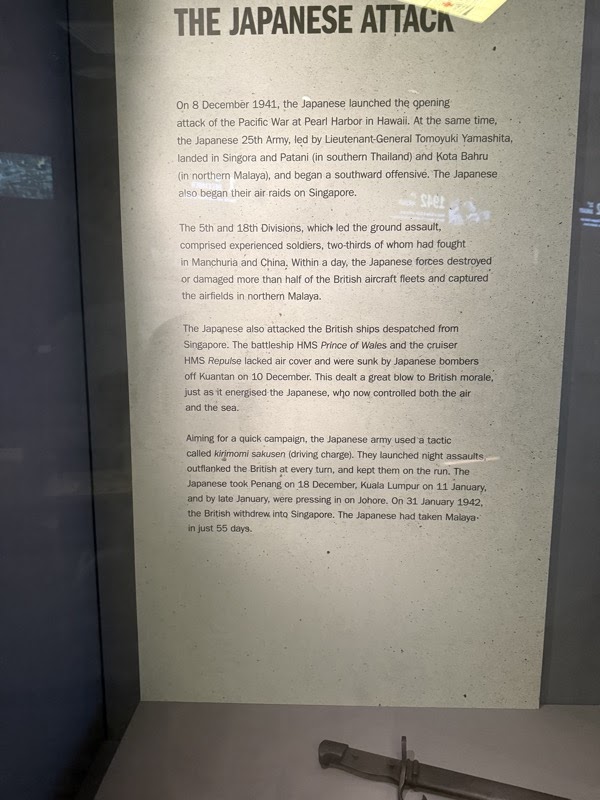
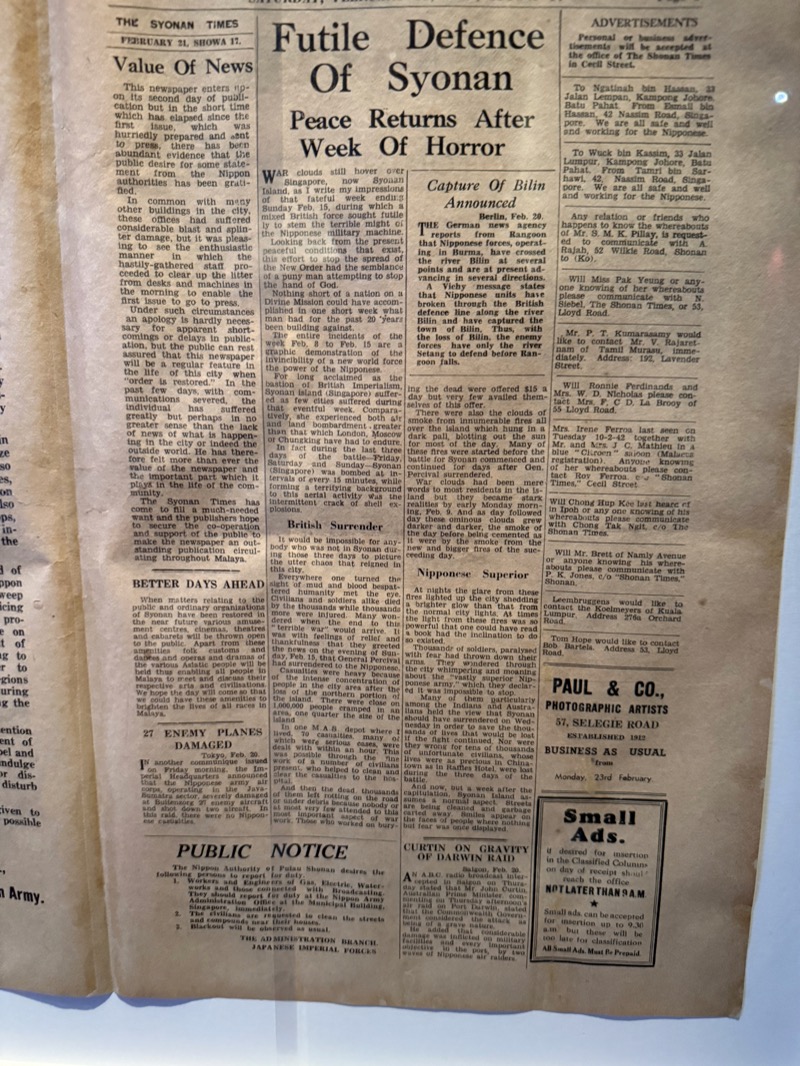
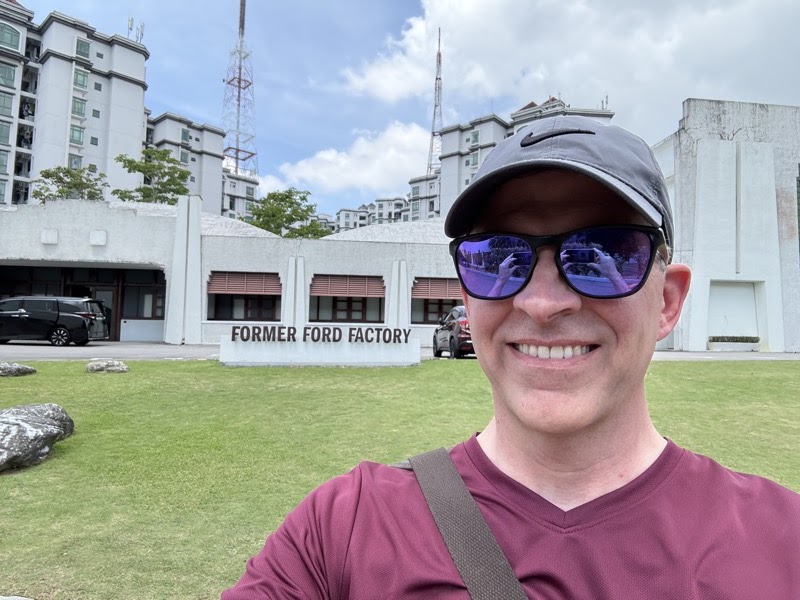
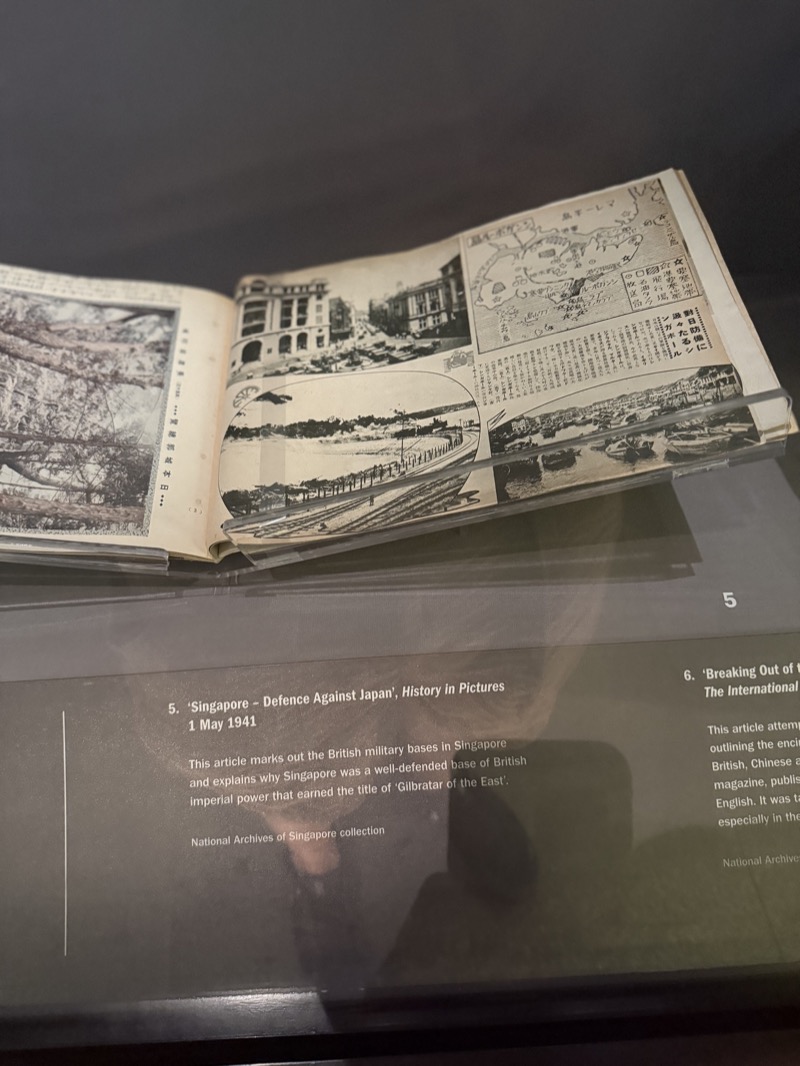
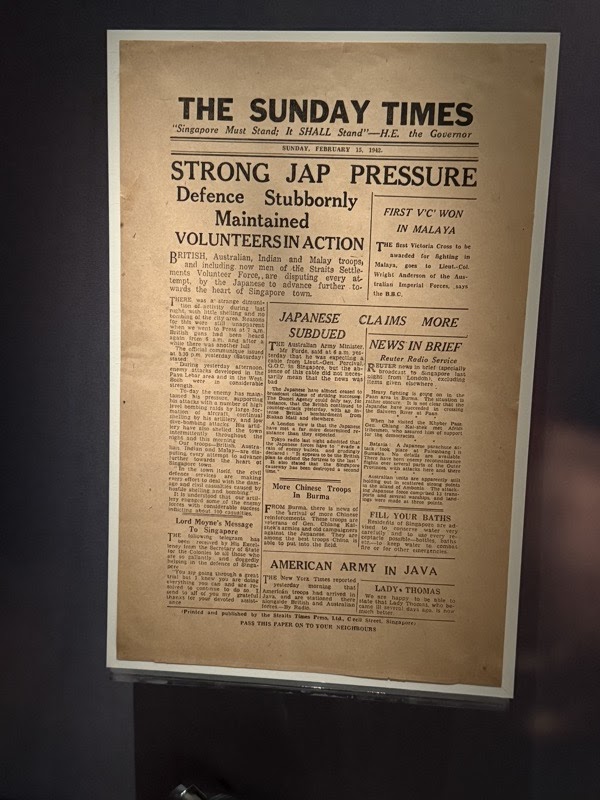
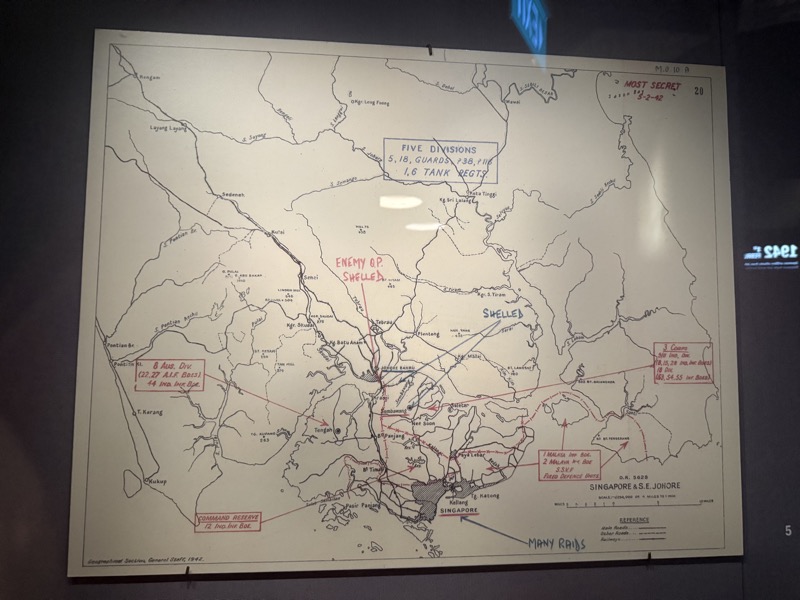
The historical record suggests that the Pacific has not always worked this way. The fall of Singapore was an institutional failure, not a personal one. Lieutenant-General Percival has been debated for eighty years, and his generalship was certainly not distinguished. But the museum at the Former Ford Factory makes clear that the problem was systemic. The Colonial Office, the Admiralty, and the War Cabinet had all allowed the narrative of "Fortress Singapore" to substitute for the reality of adequate forces, current equipment, and a strategic concept matched to the adversary's actual capabilities. Percival was given contradictory orders, inadequate resources, and a strategy that had already been overtaken by events. He was left to manage the consequences of institutional failure, and the fortress fell in 55 days.
 |
| The Fall of Singapore. |
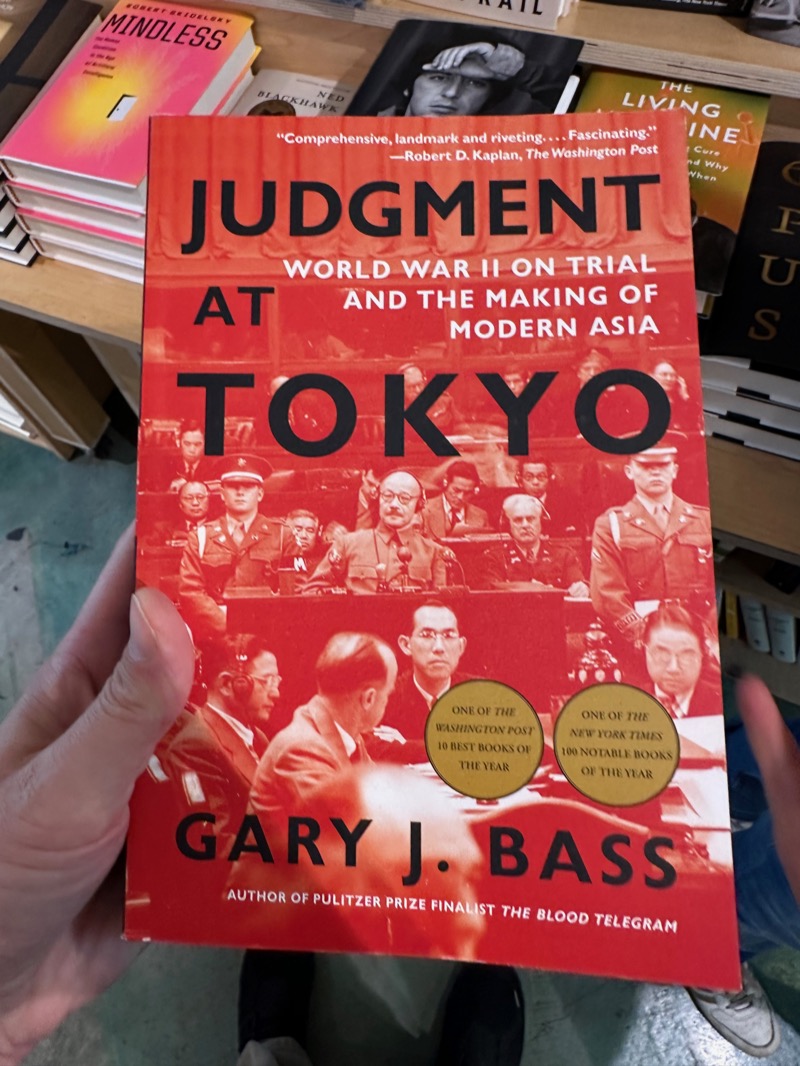
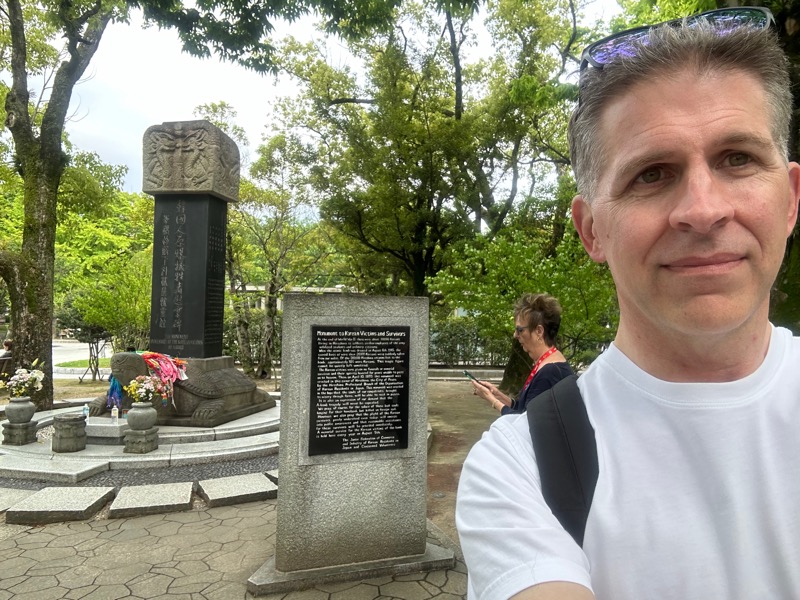
The Tokyo tribunal was an attempt to build an institution after the fact, to create a legal and factual record that would serve as the foundation for a new order. In many ways it succeeded: it established principles of command responsibility, compiled an evidentiary record of genuine value, and demonstrated that aggressive war could be subjected to legal accountability. But the institution's legacy has been eroded by the very narratives it was meant to settle. The tribunal's work has been simplified by partisans on all sides, and the common factual ground it established has largely fragmented into national narratives that contradict each other. The institution did its work; the political commitment to sustain that work did not hold.
The Paparo story is the present-tense version of the same problem. The Economist describes him as "a rare instance of consistency" in American engagement with the Pacific. That is a compliment to Paparo. It is also, read carefully, an indictment of the system. If the consistency of American strategy in the most consequential theater on earth depends on the personal relationships and political skill of one four-star admiral, then the institutional architecture is more fragile than it appears. Paparo's predecessors built relationships too, and those relationships mattered. But the current situation is different in degree if not in kind, as the diplomatic corps has been hollowed out, the defense strategy has formally deprioritized Asia, and the president's attention is elsewhere. The institutional support structure that is supposed to surround and sustain the INDOPACOM commander has thinned considerably, and what remains rests heavily on Paparo's individual competence.
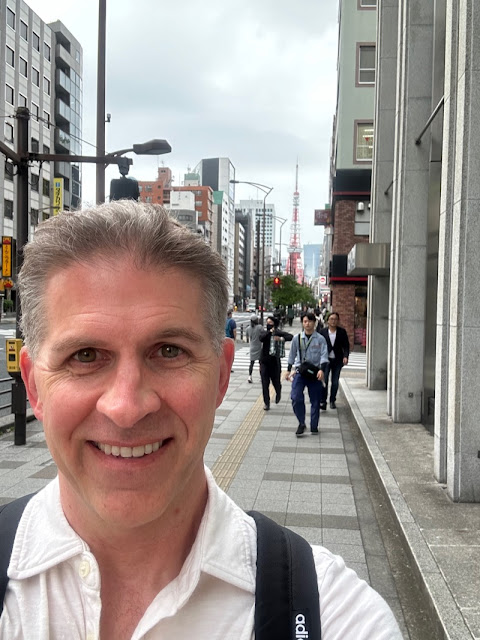 |
| Tokyo Tower |
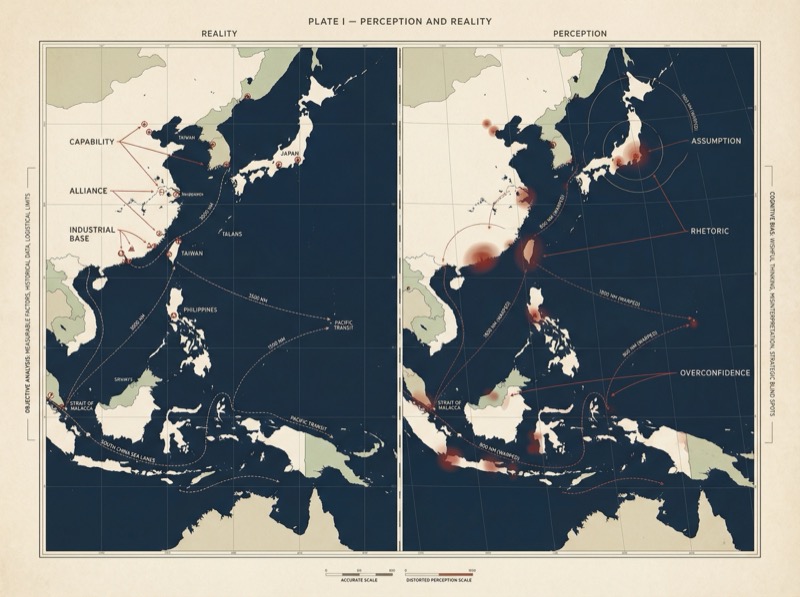
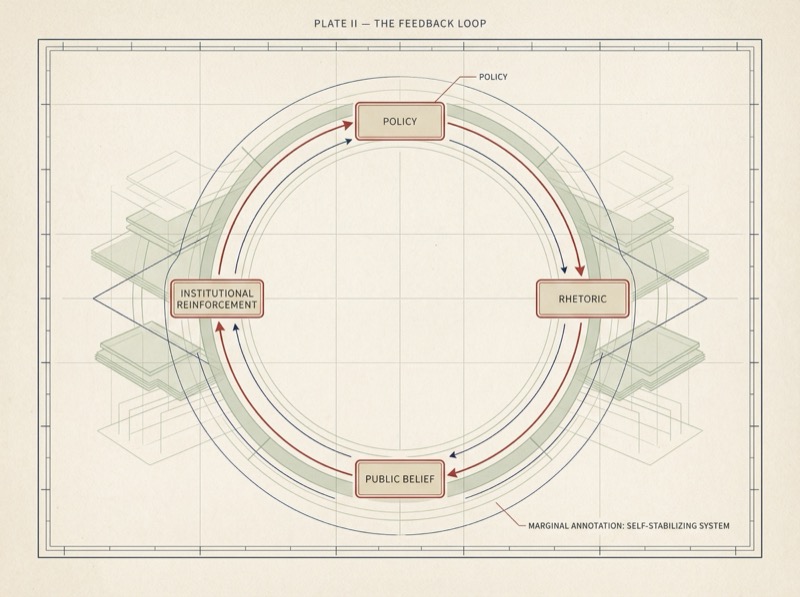
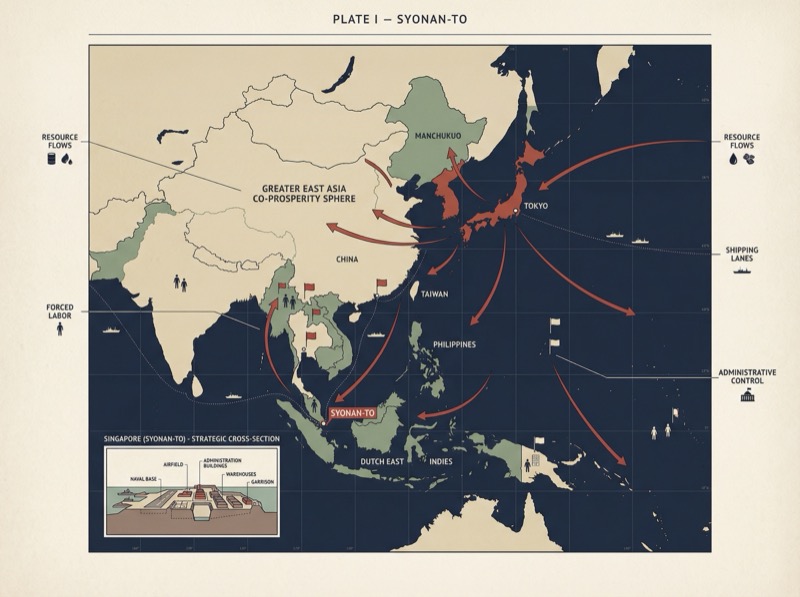
The danger of believing your own propaganda is the thread that ties all of this together. The British believed "Fortress Singapore" and did not invest in the actual defenses the fortress required. The Japanese believed the Co-Prosperity Sphere and could not distinguish ideology from interest until the distinction no longer mattered. The contested memory of the Tokyo tribunal has produced national narratives that shape present-day alliances in ways that often bear little resemblance to the tribunal's actual findings. In each case, a narrative that began as a useful simplification became a substitute for reality, and the gap between the two only became visible when it was tested.

The present-day Pacific has its own narratives, and they deserve scrutiny. The "unmanned hellscape" is a deterrence concept with real technological substance behind it, but it is also a story, and stories can become assumptions. The presumed US defense of Taiwan is a pillar of the regional order, but pillars require maintenance, and the question of whether the political will exists to honor that commitment under fire has not been tested. The Philippines reef confrontations test alliance credibility in slow motion, one water cannon incident at a time, and the results so far are ambiguous. China's assertion that Taiwan's return is inevitable is a narrative commitment that constrains Beijing's own options in ways that may not serve its interests.
None of this means the Pacific order is about to collapse. The alliances are real, the military capabilities are substantial, and the people doing the work, the officers, the diplomats, the analysts in windowless rooms near Waikiki Beach, are serious and competent. But seriousness and competence at the working level are not sufficient if the institutional and political commitments above them are thin. The former Ford Factory in Singapore is a quiet building on a quiet road, and the story it tells is a quiet story: how a great power allowed a narrative to substitute for substance, how the gap between the two widened without anyone noticing until it was too late, and how the individual left holding the position was given an impossible task. The parallels to the present are not exact, and they do not need to be. The question is not whether Paparo is Percival. The question is whether the system behind Paparo is stronger than the system behind Percival, and whether the people responsible for that system are paying attention. The fortress fell in 55 days.